
Cold Storage
₹ 0 / Piece


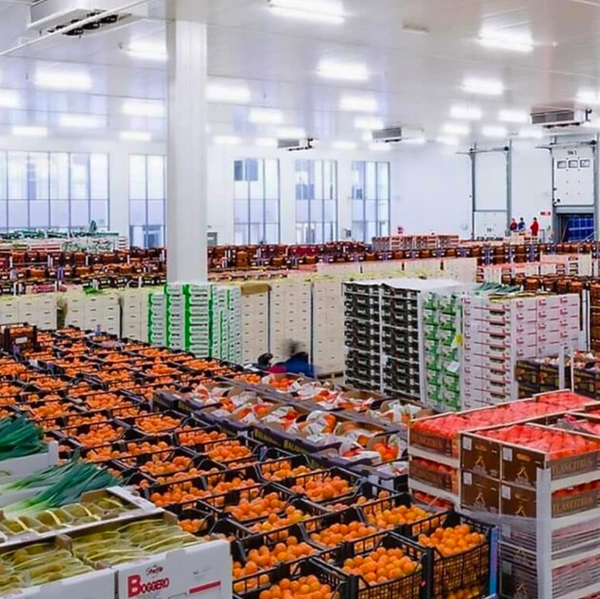
Cold storage refers to specialized temperature-controlled storage facilities designed to preserve perishable goods such as food, pharmaceuticals, and chemicals by maintaining a consistent cold environment. These facilities help extend product shelf life, prevent spoilage and contamination, reduce waste, and ensure compliance with safety regulations.
Cold storage services include:
-
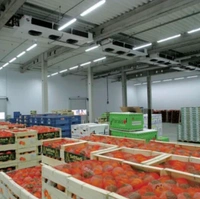
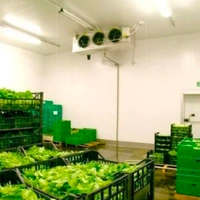
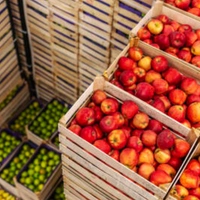
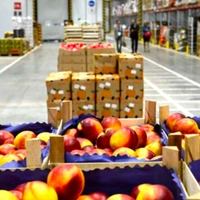
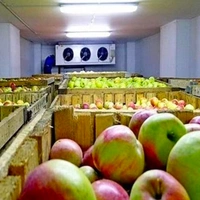
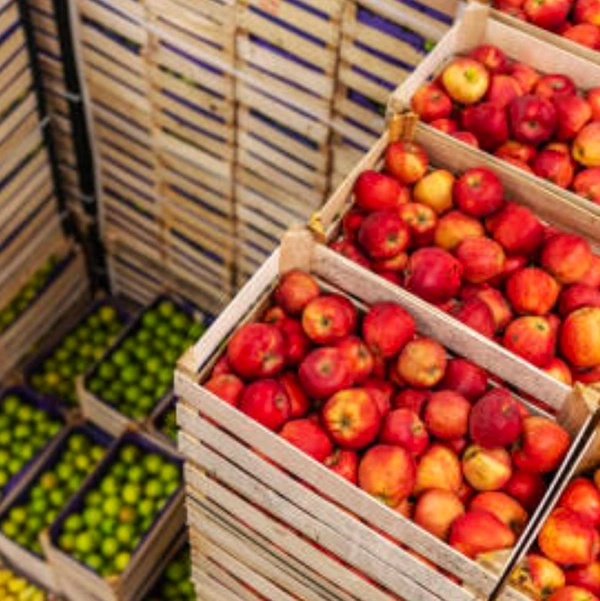
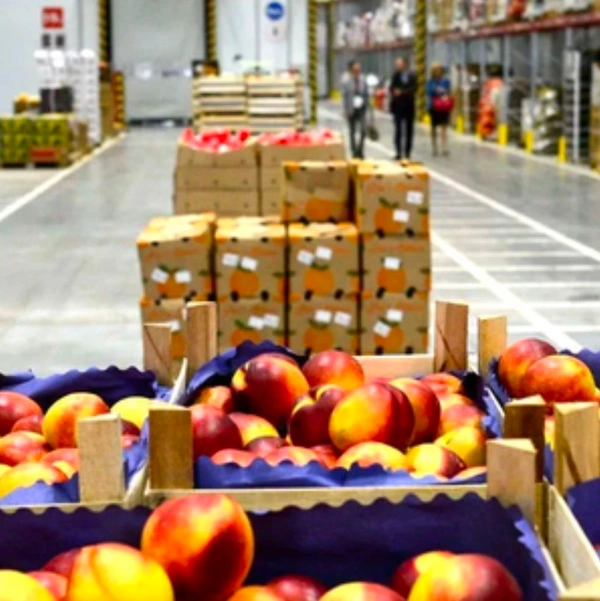
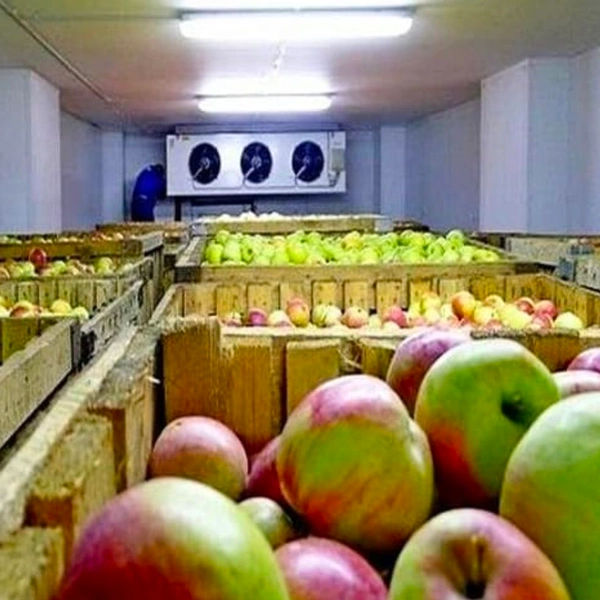
Refrigerated storage (0°C to 10°C) for items like fruits, vegetables, dairy, and pharmaceuticals.
-
Frozen storage (below 0°C) for meats, seafood, ice cream, and other frozen foods.
-
Ambient storage for non-perishable items.
Cold storage units can be customized by capacity, temperature range, and technology used, including automated temperature monitoring and backup power. Various industries rely on cold storage, especially food processing, agriculture, pharmaceuticals, and chemicals.
When choosing cold storage services, key considerations include location, temperature control capabilities, storage capacity, hygiene standards, security, cost, and compliance with regulations. Outsourcing cold storage can be cost-effective, reducing capital investment and minimizing product loss.
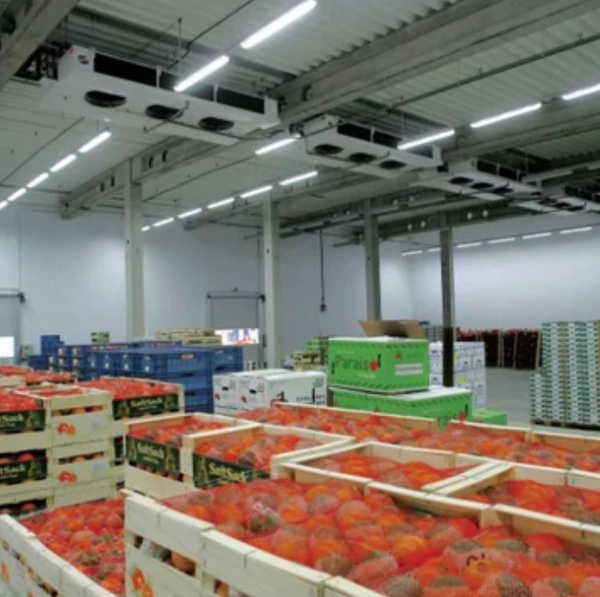
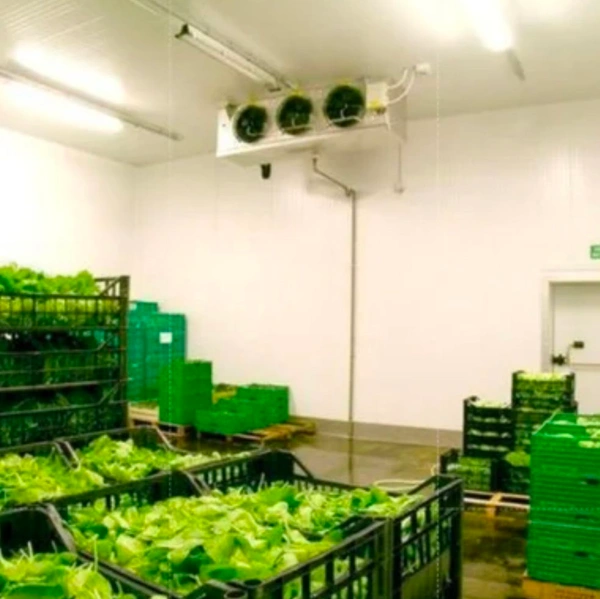
Cold storage rooms are available in different sizes, typically insulated with materials like GI or aluminum panels, and equipped with quality compressors from brands such as Emerson or Bitzer.
In summary, cold storage is essential for maintaining the freshness, quality, and safety of temperature-sensitive products during storage and distribution, serving critical roles in various sectors worldwide.
Reviews and Ratings


No Customer Reviews
Share your thoughts with other customers
